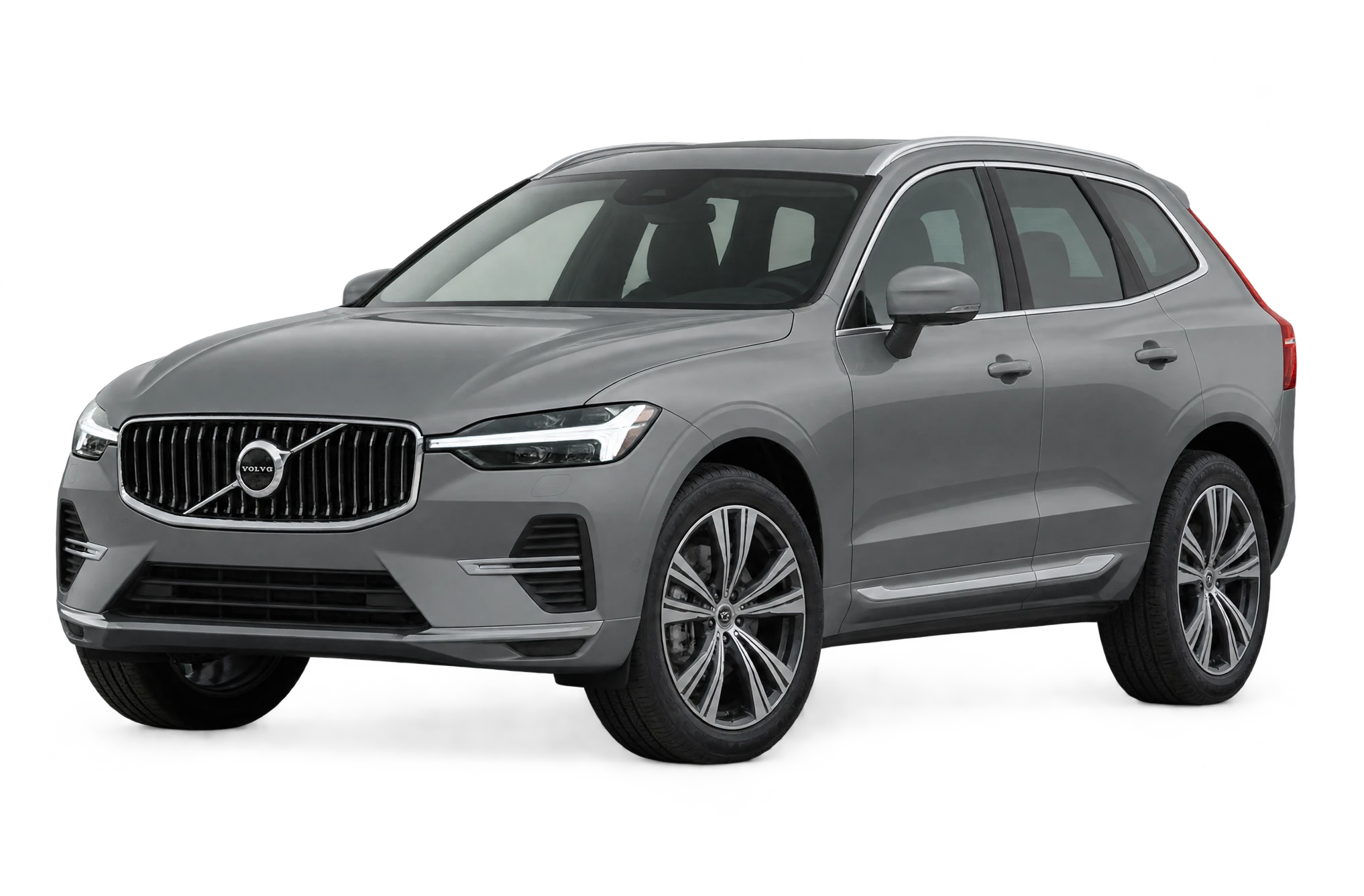
Diesel, hybrid, petrol and plug-in hybrid · 2009–2027
Volvo XC60
Fuel use, running costs and specs for the Volvo XC60. By the official figures, the 2026 uses 8.7 L/100km: 32 mpg UK, 27 mpg US.
- Fuel use
- 8.7 L/100km
- 2026 official
- UK mpg
- 32 mpg
- US mpg
- 27 mpg
- On a full tank
- 816 km
- 71 L tank
What a XC60 costs to run
At today's average petrol prices, by its official fuel use.
| Country | Average price today | Cost to drive | A typical year |
|---|---|---|---|
| New Zealand | $2.94/L petrol | $25.58 per 100 km | $2,814 |
| Australia | $2.41/L petrol | $21.00 per 100 km | $2,331 |
| United Kingdom | £1.74/L petrol | £24.42 per 100 miles | £1,709 |
| United States | $4.35/gal petrol | $16.10 per 100 miles | $2,174 |
A typical year: New Zealand 11,000 km (Ministry of Transport's average for a light vehicle); Australia 11,100 km (ABS Survey of Motor Vehicle Use average); United Kingdom 11,265 km (DfT National Travel Survey average of about 7,000 miles); United States 21,726 km (FHWA average of about 13,500 miles). Real costs depend on how and where you drive. Work out a particular trip.
2nd generation (facelift), 2020–2027
Specs for the B5 mild hybrid; other versions differ a little.
About
- Body
- SUV
- Size class
- Medium SUV
- Generation
- 2nd generation (facelift)
- Built
- 2021-2027
- Seats
- 5
- Doors
- 5
- Drive
- AWD
Size and weight
- Length
- 4,688 mm
- Width
- 1,902 mm
- Height
- 1,658 mm
- Wheelbase
- 2,865 mm
Engine
- Engine
- 2.0 L 4-cylinder turbo petrol mild hybrid
- Engine size
- 1,969 cc
- Cylinders
- 4
- Aspiration
- Turbo
- Power
- 184 kW
- Torque
- 350 Nm
- Gearbox
- 8-speed automatic
Economy
- Fuel tank
- 71 L
Safety
- Auto emergency braking
- Yes
Features
- Apple CarPlay
- Yes
- Android Auto
- Yes
- Adaptive cruise control
- Yes
1st generation, 2014–2017
Specs for the T5 2.0; other versions differ a little.
About
- Body
- SUV
- Size class
- Medium SUV
- Generation
- 1st generation
- Built
- 2014-2017
- Seats
- 5
- Doors
- 5
- Drive
- FWD
Size and weight
- Length
- 4,643 mm
- Width
- 1,892 mm
- Height
- 1,712 mm
- Wheelbase
- 2,774 mm
- Kerb weight
- 1,833 kg
- Boot
- 490 L
Engine
- Engine
- 2.0 L 4-cylinder turbo petrol
- Engine size
- 2,461 cc
- Cylinders
- 4
- Aspiration
- Turbo
- Power
- 224 kW
- Torque
- 400 Nm
- Gearbox
- 8-speed automatic
Economy
- Fuel use (combined)
- 7.3 L/100km
- Fuel tank
- 70 L
Official figures by year
From the US EPA, the UK's DfT and NZTA, newest first.
| Year | Fuel | Uses | UK | US | Range |
|---|---|---|---|---|---|
| 2027 | Hybrid | 9.1 L/100km | 31 mpg | 26 mpg | — |
| 2026 | Plug-in hybrid | 1.3 L/100km | 217 mpg | 181 mpg | — |
| 2026 | Hybrid | 8.7 L/100km | 32 mpg | 27 mpg | — |
| 2025 | Plug-in hybrid | 1.3 L/100km | 217 mpg | 181 mpg | — |
| 2025 | Hybrid | 8.7 L/100km | 32 mpg | 27 mpg | — |
| 2024 | Hybrid | 8.7 L/100km | 33 mpg | 27 mpg | — |
| 2024 | Plug-in hybrid | 1.3 L/100km | 217 mpg | 181 mpg | — |
| 2023 | Plug-in hybrid | 1.5 L/100km | 190 mpg | 158 mpg | — |
| 2023 | Hybrid | 7.8 L/100km | 36 mpg | 30 mpg | — |
| 2022 | Petrol | 9.8 L/100km | 29 mpg | 24 mpg | — |
| 2022 | Plug-in hybrid | 1.6 L/100km | 177 mpg | 147 mpg | — |
| 2022 | Hybrid | 7.8 L/100km | 36 mpg | 30 mpg | — |
| 2021 | Hybrid | 7.8 L/100km | 36 mpg | 30 mpg | — |
| 2021 | Plug-in hybrid | 2.2 L/100km | 128 mpg | 107 mpg | — |
| 2021 | Petrol | 7.9 L/100km | 36 mpg | 30 mpg | — |
| 2021 | Diesel | 5.2 L/100km | 54 mpg | 45 mpg | — |
| 2020 | Hybrid | 7.6 L/100km | 37 mpg | 31 mpg | — |
| 2020 | Plug-in hybrid | 2.2 L/100km | 128 mpg | 107 mpg | — |
| 2020 | Petrol | 7.4 L/100km | 38 mpg | 32 mpg | — |
| 2020 | Diesel | 5.4 L/100km | 52 mpg | 43 mpg | — |
| 2019 | Diesel | 5.4 L/100km | 52 mpg | 43 mpg | — |
| 2019 | Petrol | 7.4 L/100km | 38 mpg | 32 mpg | — |
| 2019 | Plug-in hybrid | 2.4 L/100km | 117 mpg | 97 mpg | — |
| 2018 | Plug-in hybrid | 2.1 L/100km | 135 mpg | 112 mpg | — |
| 2018 | Petrol | 7.4 L/100km | 38 mpg | 32 mpg | — |
| 2018 | Diesel | 5.4 L/100km | 52 mpg | 44 mpg | — |
| 2017 | Diesel | 5.5 L/100km | 51 mpg | 43 mpg | — |
| 2017 | Plug-in hybrid | 2.1 L/100km | 135 mpg | 112 mpg | — |
| 2017 | Petrol | 7.0 L/100km | 40 mpg | 34 mpg | — |
| 2016 | Petrol | 7.1 L/100km | 40 mpg | 33 mpg | — |
| 2016 | Diesel | 5.7 L/100km | 50 mpg | 42 mpg | — |
| 2015 | Petrol | 8.6 L/100km | 33 mpg | 27 mpg | — |
| 2015 | Diesel | 5.6 L/100km | 50 mpg | 42 mpg | — |
| 2014 | Petrol | 8.7 L/100km | 32 mpg | 27 mpg | — |
| 2014 | Diesel | 6.3 L/100km | 45 mpg | 37 mpg | — |
| 2013 | Petrol | 9.5 L/100km | 30 mpg | 25 mpg | — |
| 2013 | Diesel | 6.6 L/100km | 43 mpg | 35 mpg | — |
| 2012 | Petrol | 9.9 L/100km | 29 mpg | 24 mpg | — |
| 2012 | Diesel | 6.8 L/100km | 42 mpg | 35 mpg | — |
| 2011 | Petrol | 10.5 L/100km | 27 mpg | 22 mpg | — |
Volvo XC60 questions
What is the fuel consumption of the Volvo XC60?
The 2026 Volvo XC60 uses 8.7 L/100km by its official figures: 32 mpg in UK gallons and 27 mpg in US gallons. Each year's figures are listed below.
How much does a Volvo XC60 cost to run a year?
At today's average petrol prices and a typical year's driving: $2,814 in New Zealand, $2,331 in Australia, £1,709 in United Kingdom, $2,174 in United States.
How far does a Volvo XC60 go on a full tank?
About 816 km (507 miles) from its 71 L tank at its official fuel use.
How big is the Volvo XC60's boot?
490 L, for the B5 mild hybrid.
Cars like the XC60
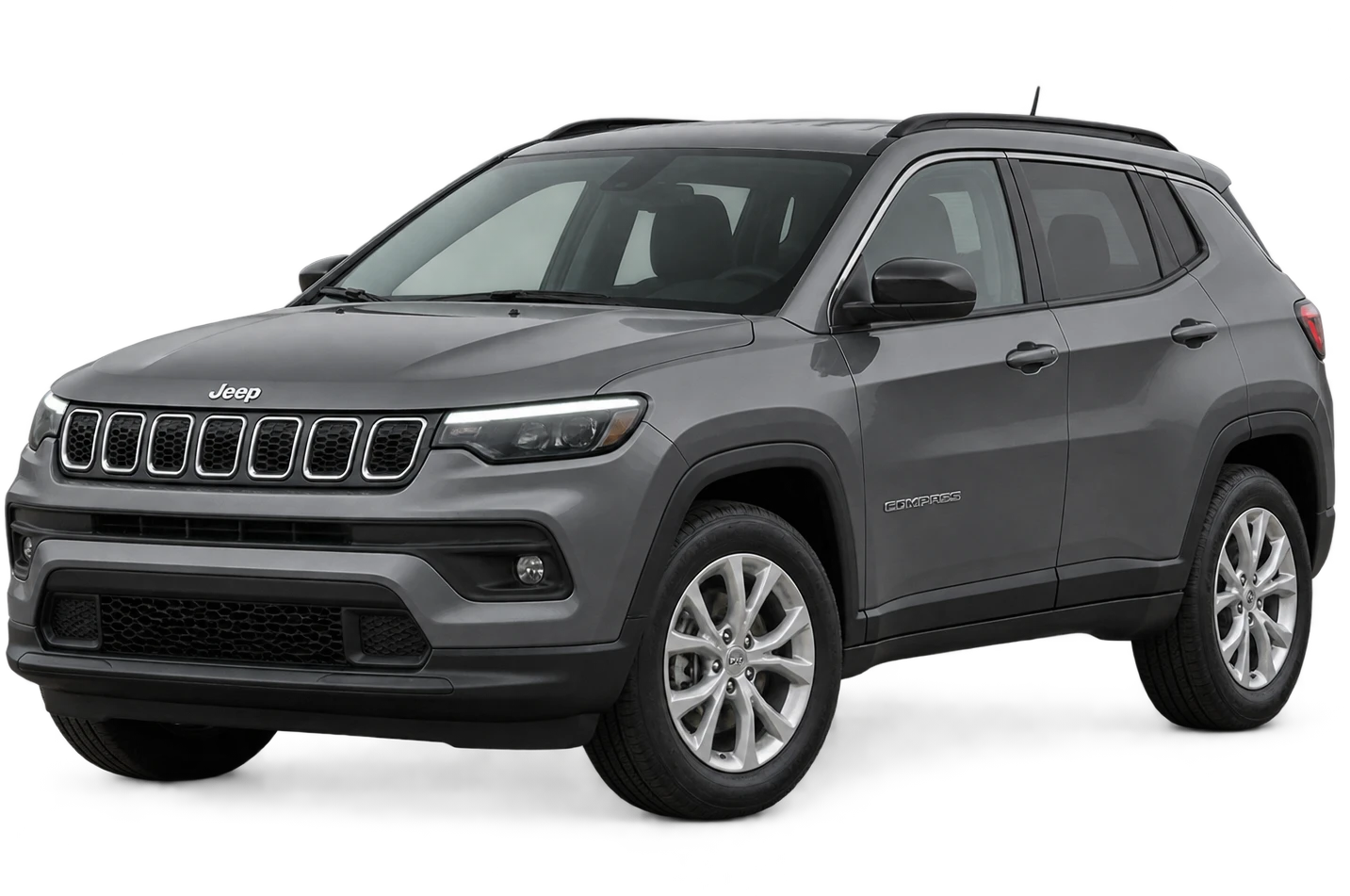
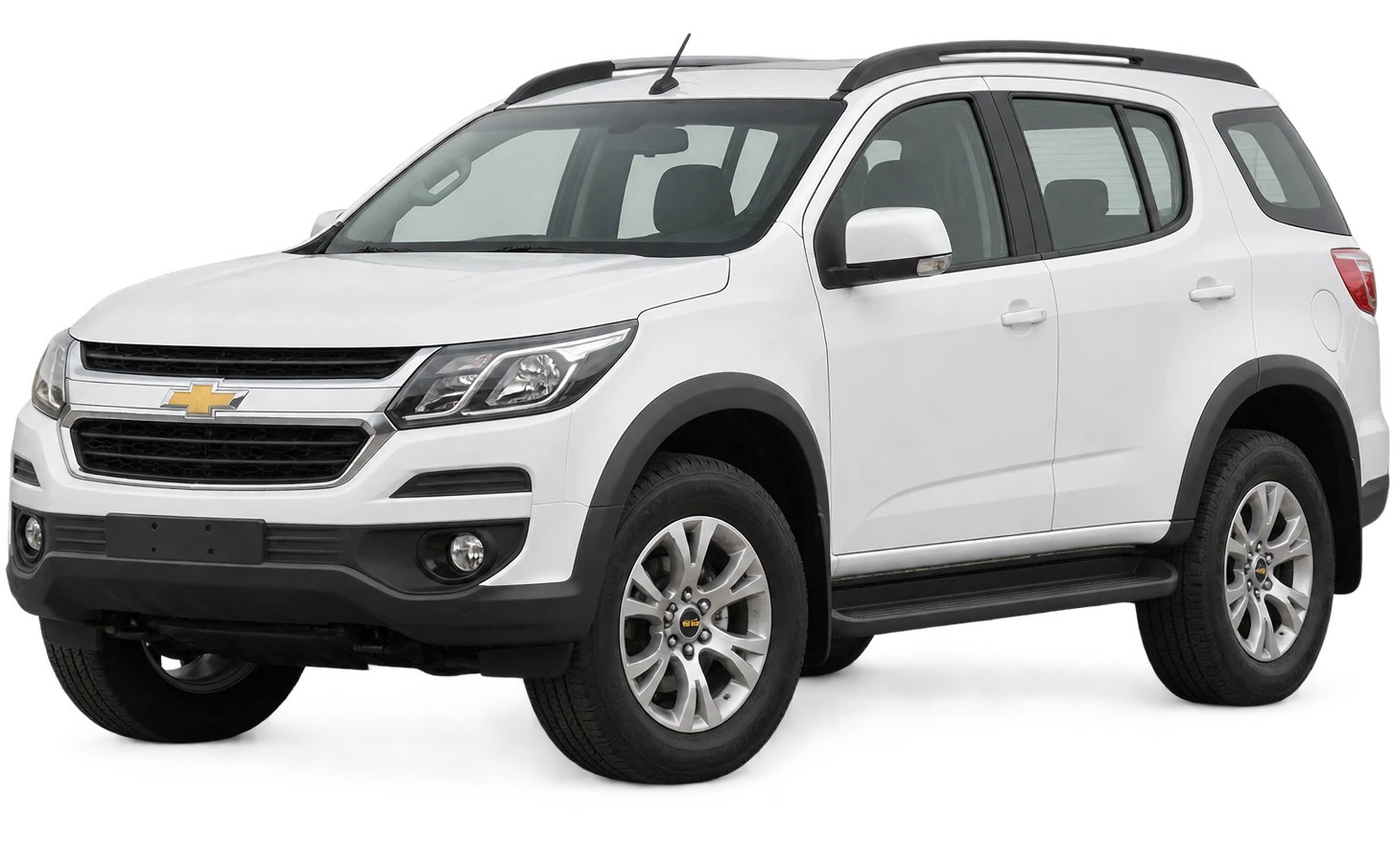
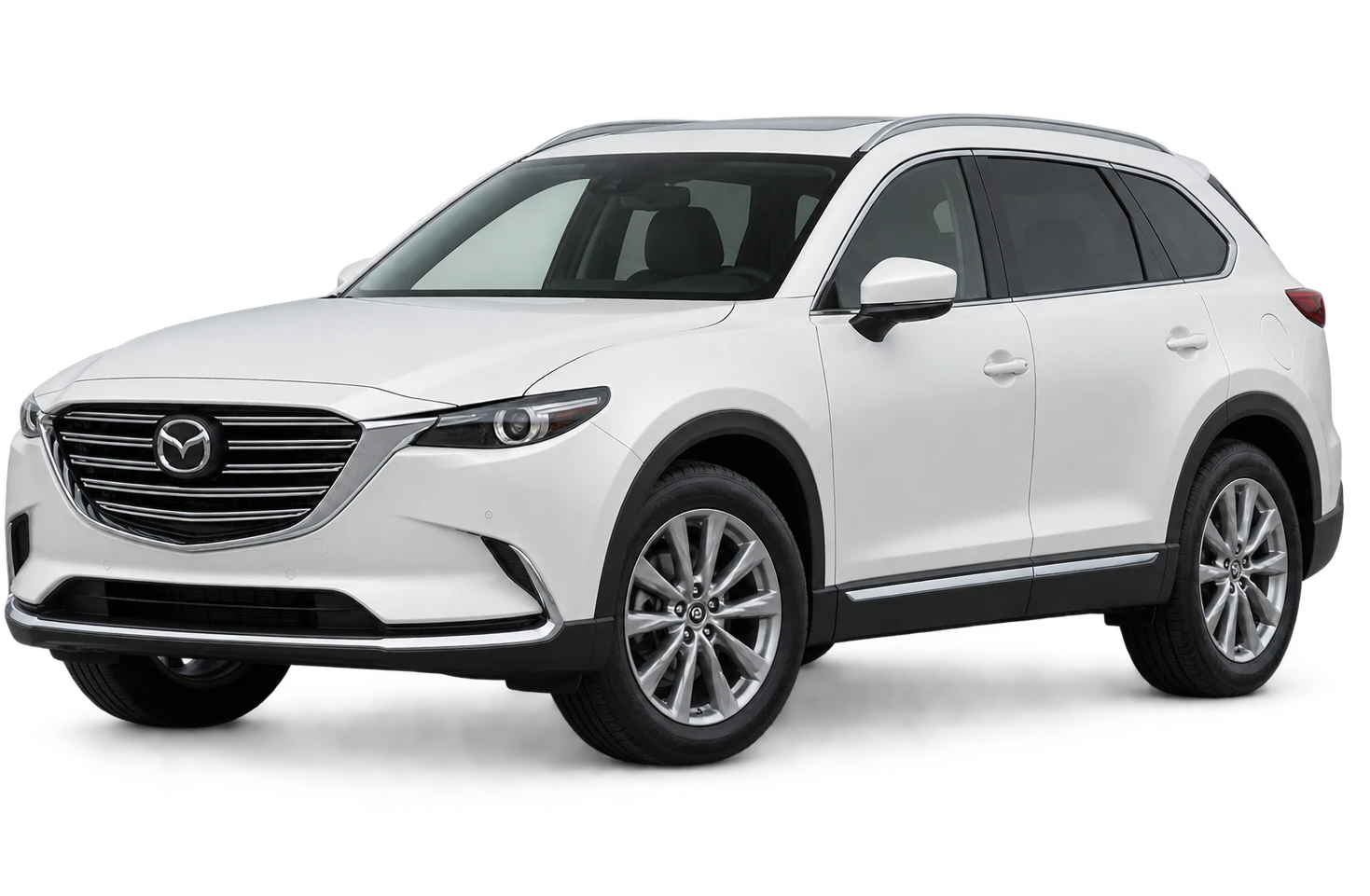
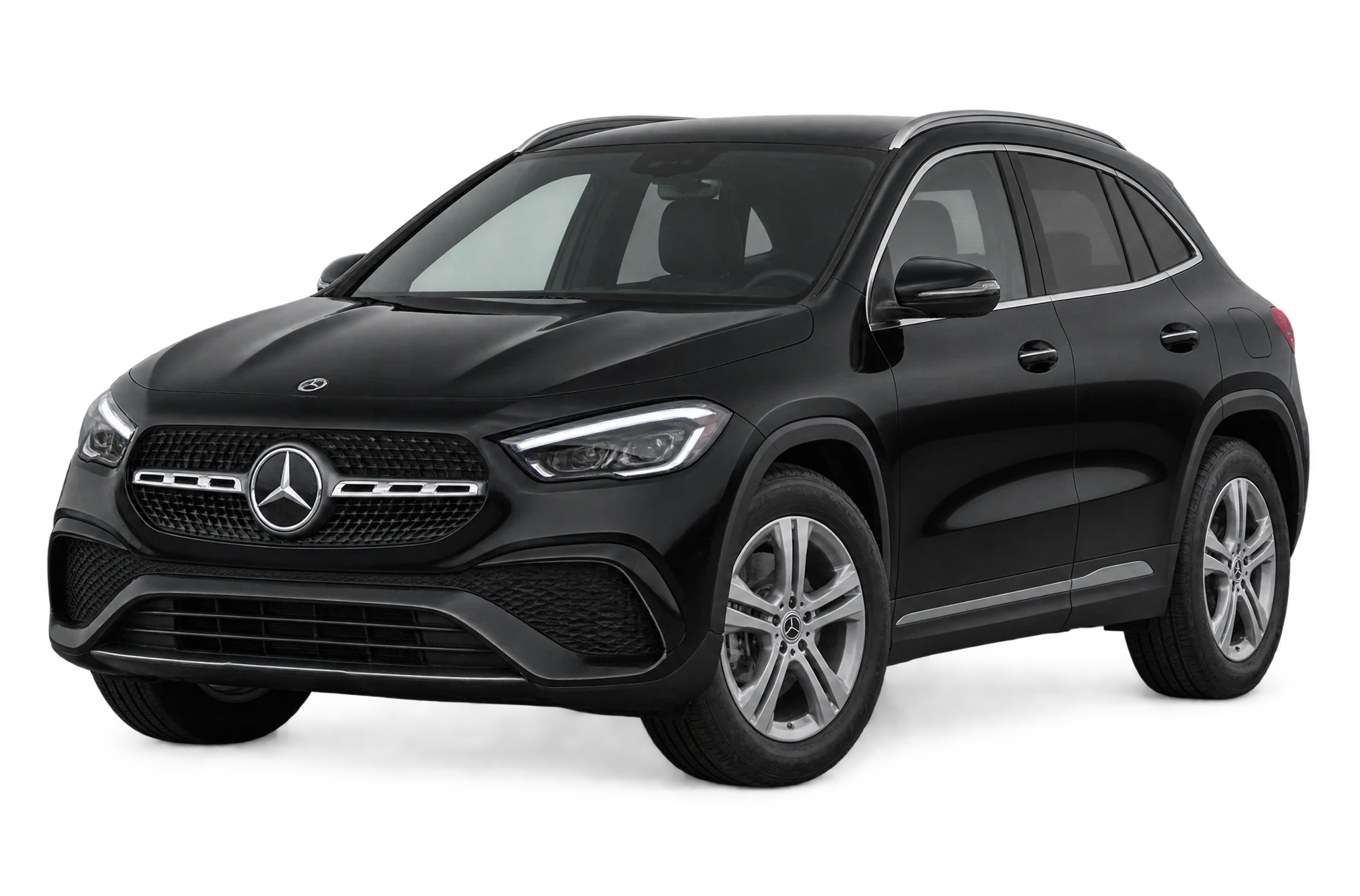
From other makes, closest in what they use.
More from Volvo
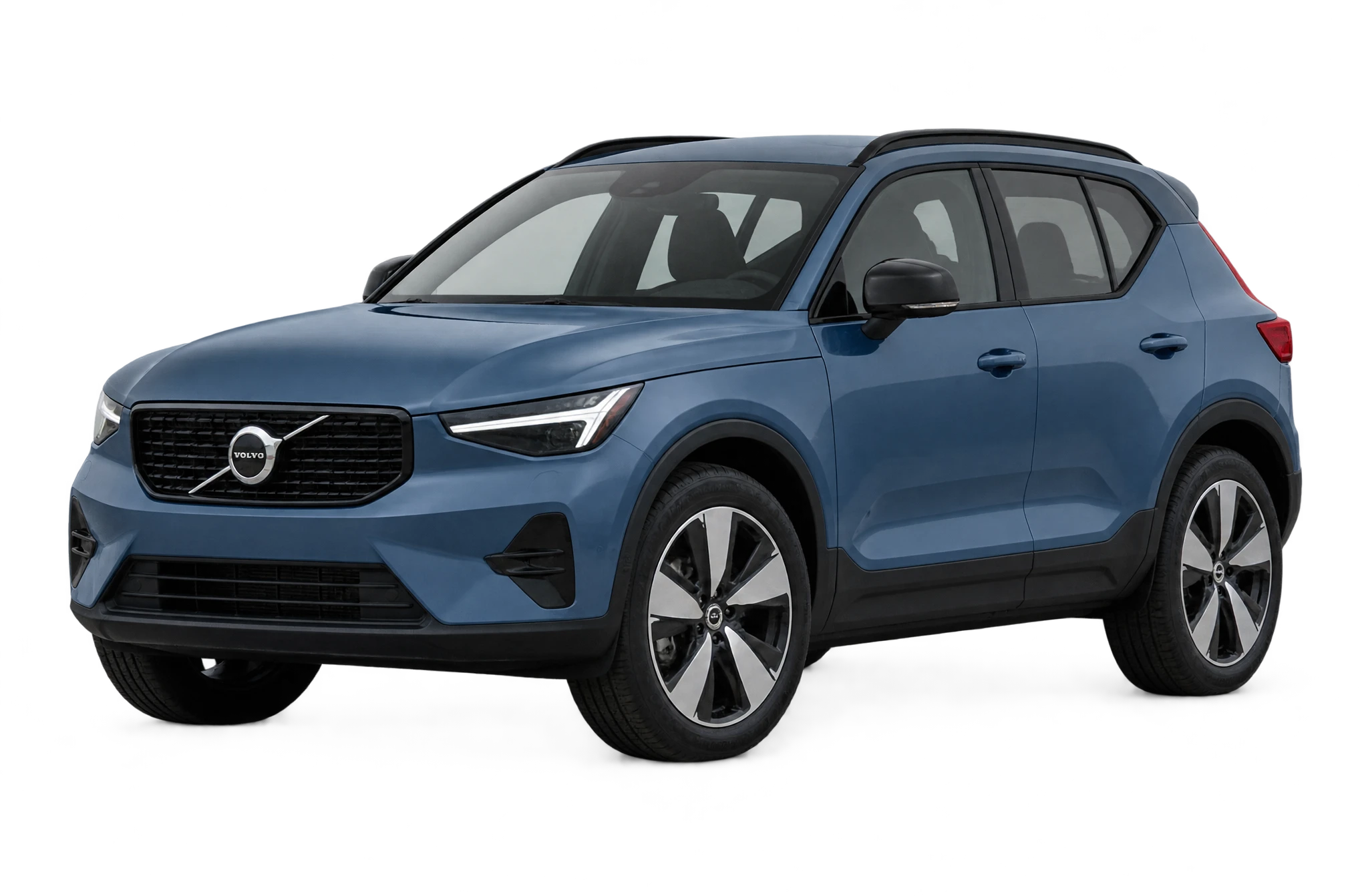
Volvo
XC40
2018–2026
7.3 L/100km · 39 mpg UK
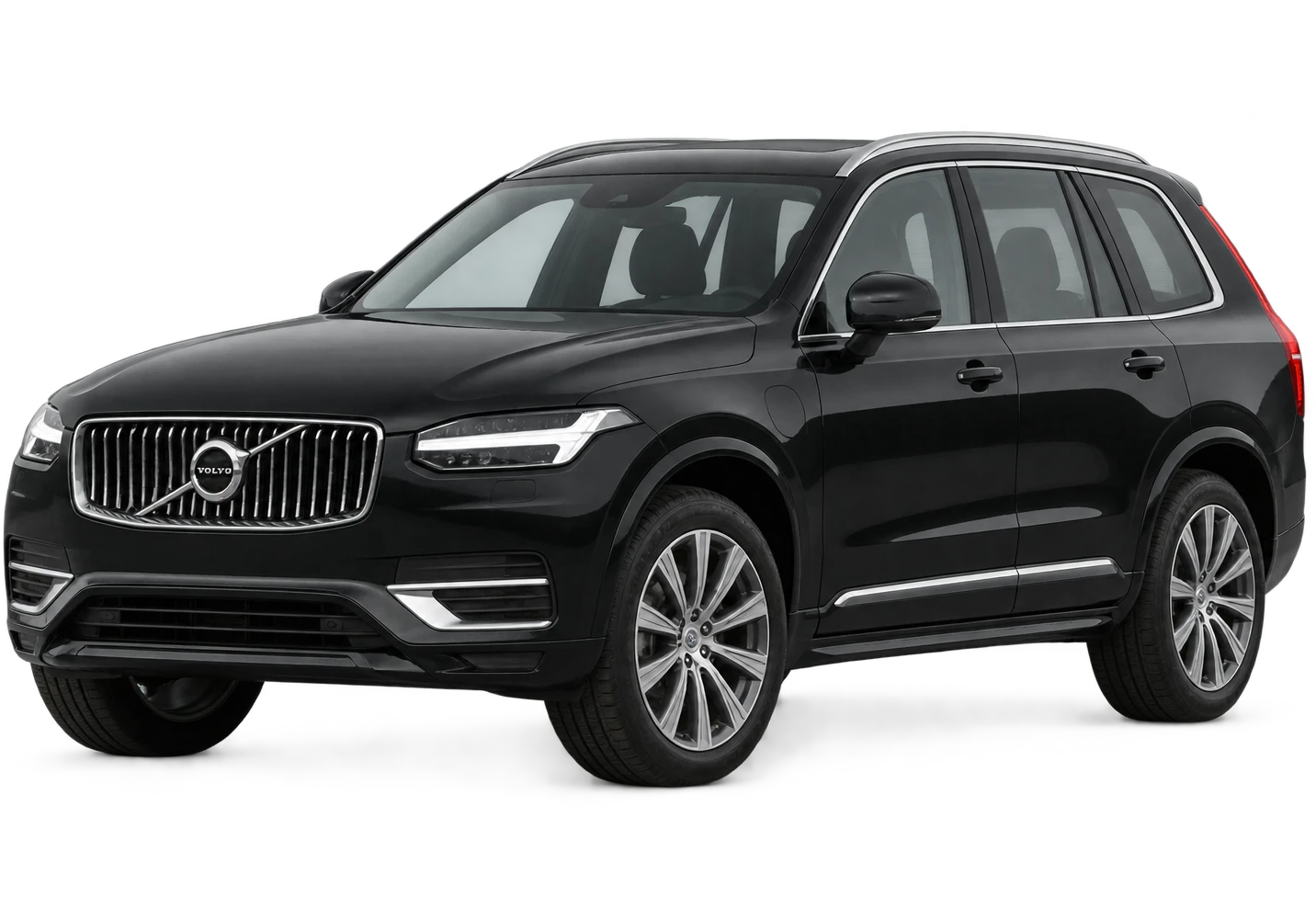
Volvo
XC90
2003–2027
9.2 L/100km · 31 mpg UK
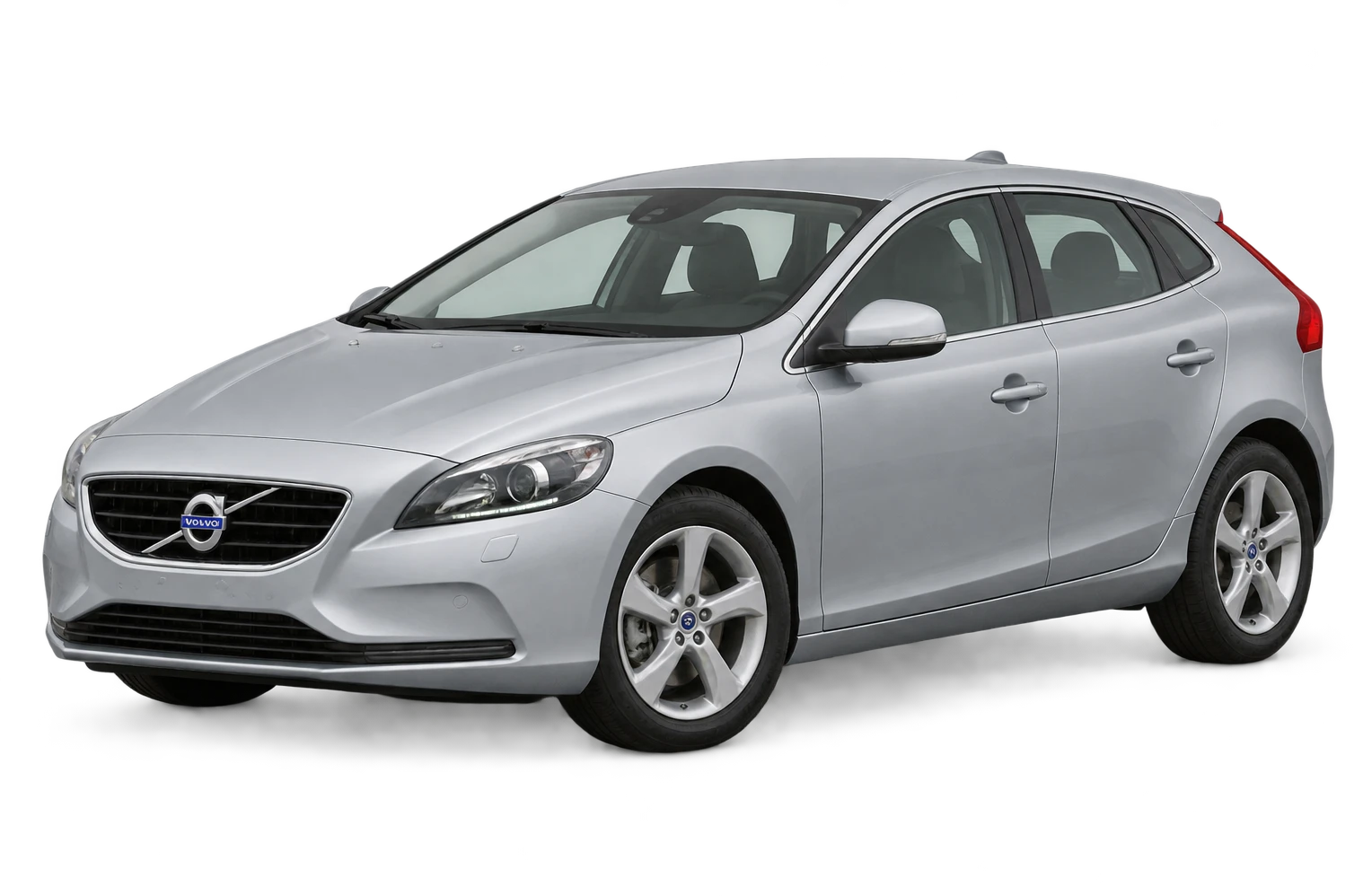
Volvo
V40
1998–2019
4.8 L/100km · 59 mpg UK
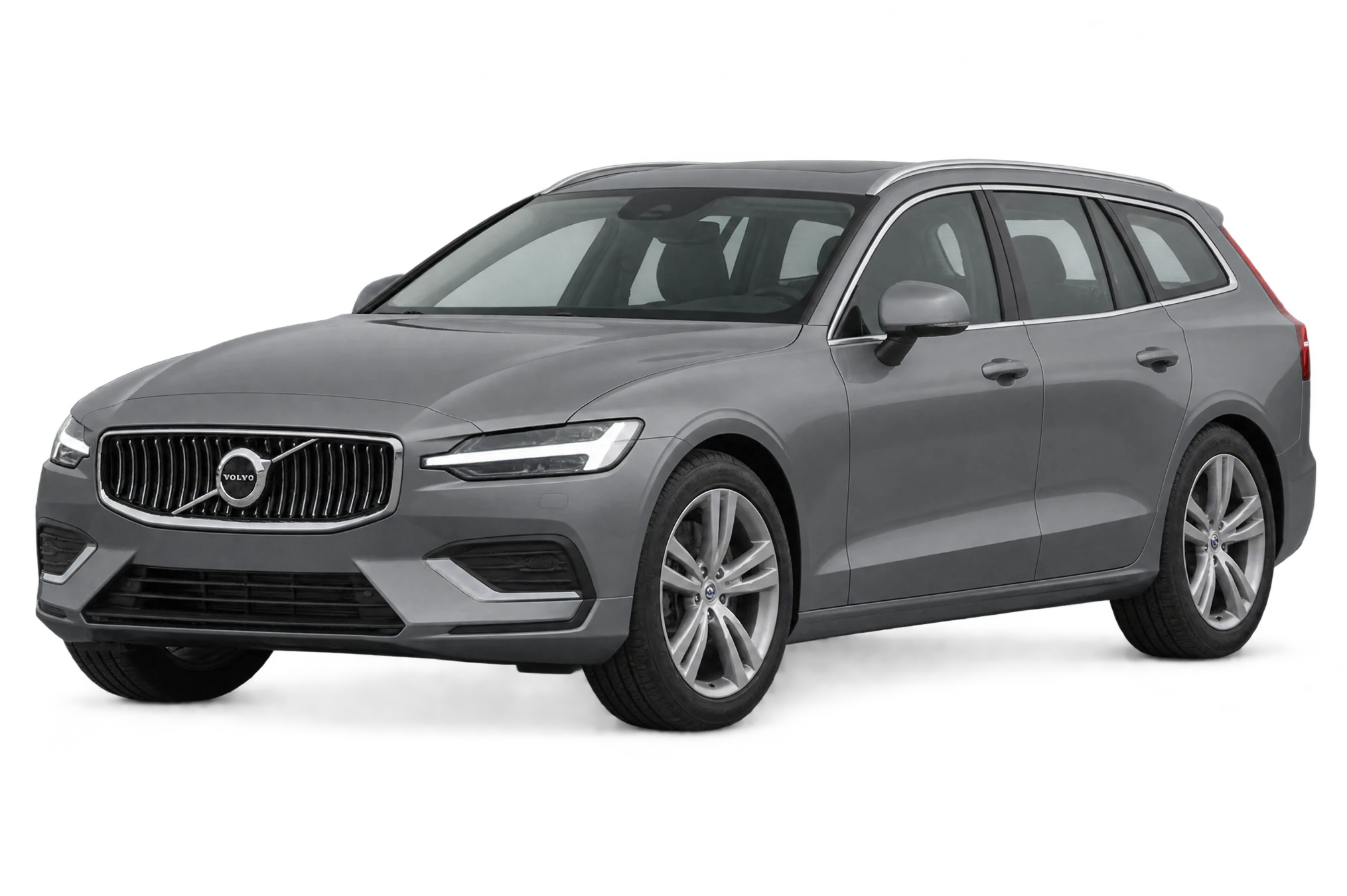
Volvo
V60
2011–2026
8.7 L/100km · 32 mpg UK
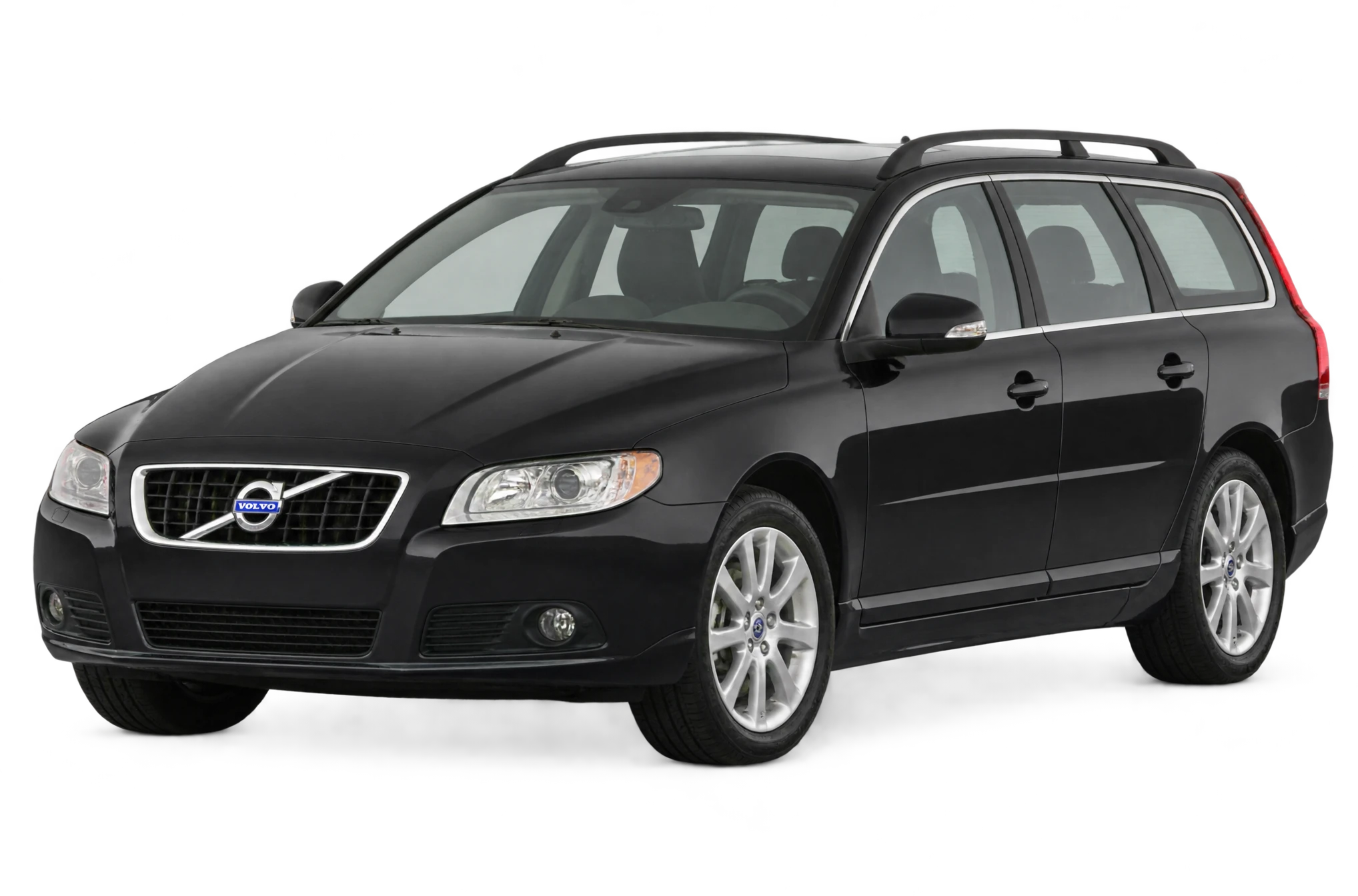
Volvo
V70
1997–2013
8.4 L/100km · 34 mpg UK
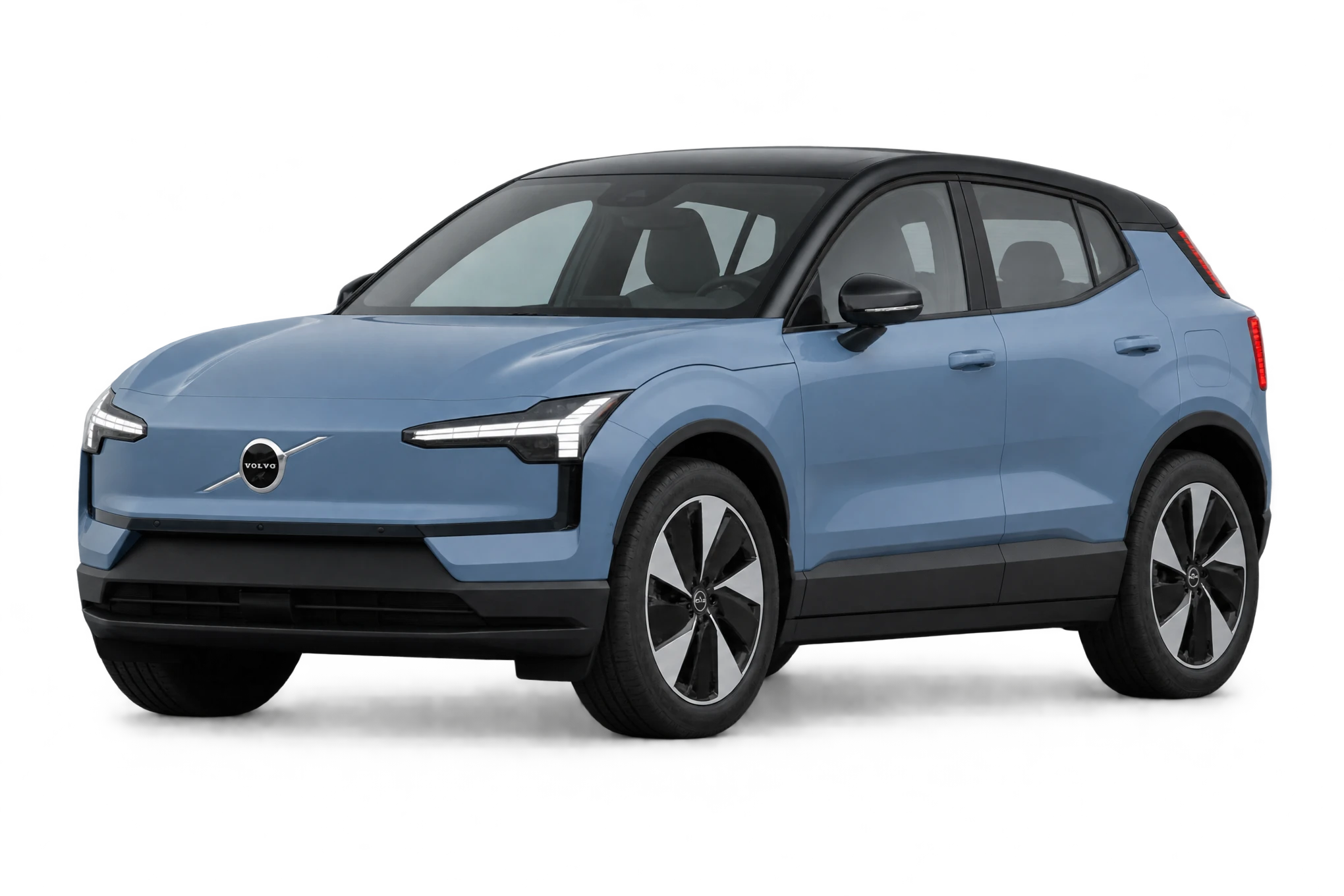
Volvo
EX30
2024–2026
413 km range
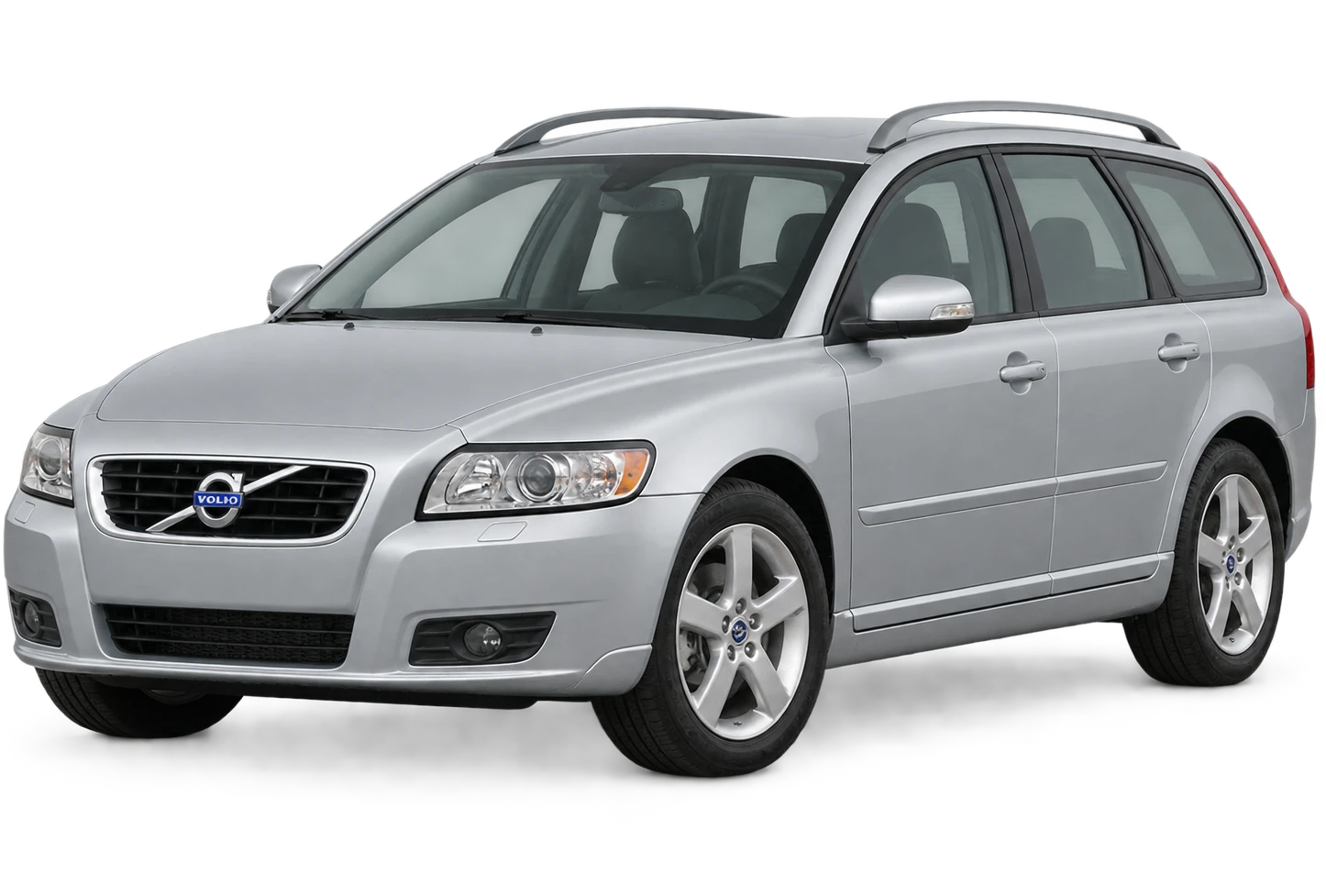
Volvo
V50
2004–2012
4.6 L/100km · 61 mpg UK
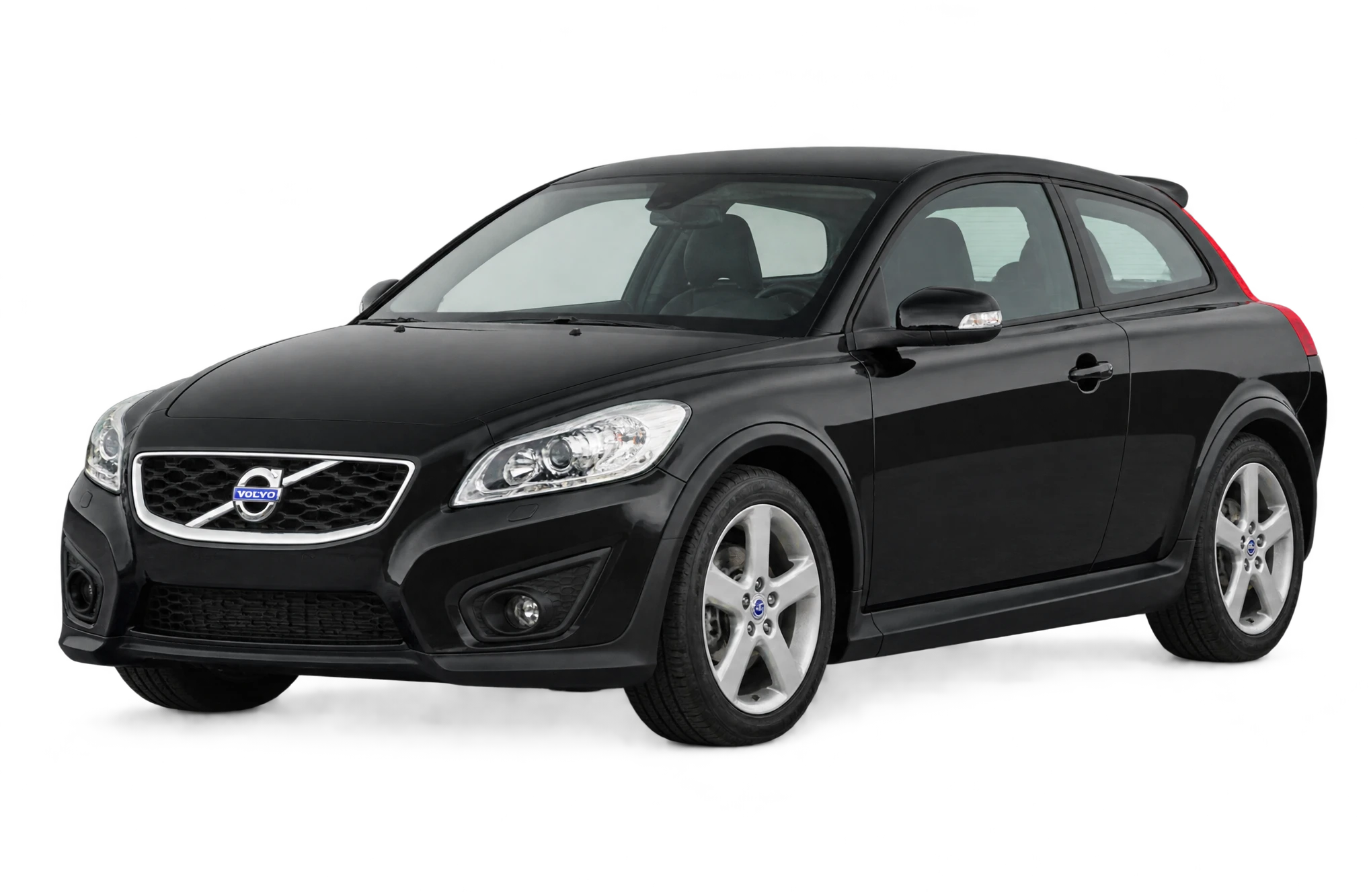
Volvo
C30
2007–2013
8.8 L/100km · 32 mpg UK
What will a drive in your XC60 cost?
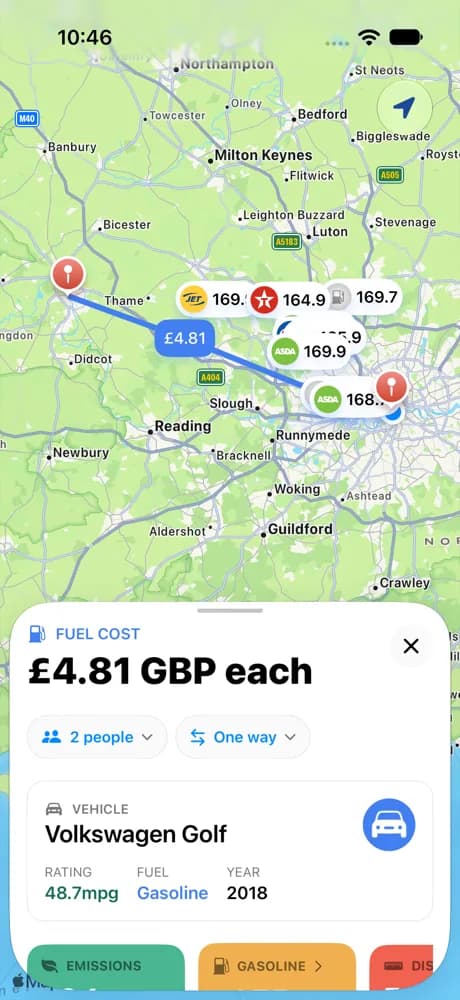
Roadtrip works out the fuel or charging cost of any drive for your exact car, finds the cheapest stations on the way, and splits it between everyone in the car.


Rated 4.7 by drivers · 700,000 downloads