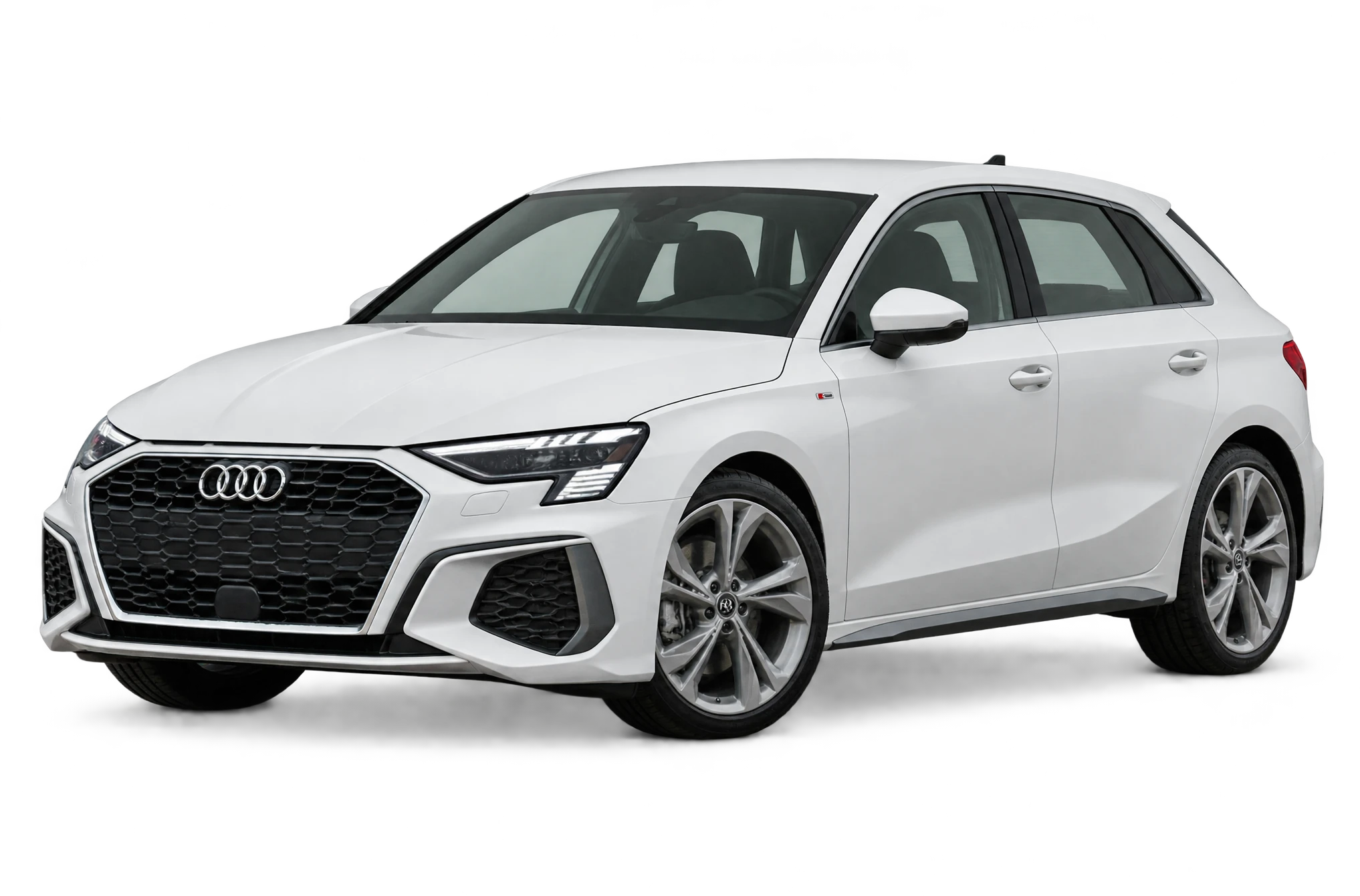
Diesel, hybrid, petrol and plug-in hybrid · 1997–2027
Audi A3Fuel consumption and running costs
Fuel consumption, running costs and specs for the Audi A3. By the official figures, the 2026 uses 6.2 L/100km, about $1,460 a year in Australia.
- Fuel use
- 6.2 L/100km
- 2026 official
- A year's petrol
- $1,460
- at today's prices in Australia
- On a full tank
- 723 km
- 45 litres tank
- Seats
- 5
Audi A3 at a glance
For the 2023 Audi A3 Sportback 30 TFSI Technik, 1.0-litre petrol, 6-speed manual (UK); other versions differ a little.
- fuel tank size
- 45 litres
- boot space
- 380 litres
- Dimensions (L × W × H)
- 4,343 × 1,816 × 1,425 mm
- Power
- 81 kW (109 bhp)
What a A3 costs to run
At today's average petrol prices, by its official fuel use, Australia first.
| Country | Average price today | Cost to drive | A typical year |
|---|---|---|---|
| Australia | $2.12/L petrol | $13.16 per 100 km | $1,460 |
| New Zealand | $2.94/L petrol | $18.29 per 100 km | $2,012 |
| United Kingdom | £1.61/L petrol | £16.13 per 100 miles | £1,129 |
| United States | $3.80/gal petrol | $10.06 per 100 miles | $1,358 |
A typical year: New Zealand 11,000 km (Ministry of Transport's average for a light vehicle); Australia 11,100 km (ABS Survey of Motor Vehicle Use average); United Kingdom 11,265 km (DfT National Travel Survey average of about 7,000 miles); United States 21,726 km (FHWA average of about 13,500 miles). Real costs depend on how and where you drive. Work out a particular trip.
8Y, 2021–2027
Specs for the 2023 Audi A3 Sportback 30 TFSI Technik, 1.0-litre petrol, 6-speed manual (UK); other versions differ a little.
About
- Body
- Hatchback
- Size class
- Small
- Generation
- Fourth generation (8Y)
- Seats
- 5
- Doors
- 5
- Drive
- FWD
Size and weight
- Length
- 4,343 mm
- Width
- 1,816 mm
- Height
- 1,425 mm
- Wheelbase
- 2,636 mm
- Turning circle
- 11.1 m
- Kerb weight
- 1,220 kg
- Gross vehicle mass
- 1,770 kg
- Boot
- 380 litres
- Boot, seats folded
- 1,200 L
- Towing (braked)
- 1,500 kg
- Towing (unbraked)
- 640 kg
Engine
- Engine
- 1.0 L 3-cylinder turbo petrol
- Engine size
- 999 cc
- Cylinders
- 3
- Aspiration
- Turbo
- Power
- 81 kW (109 bhp)
- Torque
- 200 Nm
- Gearbox
- 6-speed manual
- 0–100 km/h
- 10.6 s
- Top speed
- 204 km/h
Economy
- Fuel use (combined)
- 5.5 L/100km
- CO₂
- 125 g/km
- Emissions standard
- Euro 6
- Fuel tank
- 45 litres
Safety
- Euro NCAP
- ★★★★★
- Euro NCAP tested
- 2020
8V, 2013–2020
Specs for the 1.4 TFSI Sportback; other versions differ a little.
About
- Body
- Hatchback
- Size class
- Small
- Generation
- 8V
- Built
- 2013-2020
- Seats
- 5
- Doors
- 5
- Drive
- FWD
Size and weight
- Length
- 4,458 mm
- Width
- 1,796 mm
- Height
- 1,415 mm
- Wheelbase
- 2,637 mm
- Kerb weight
- 1,310 kg
- Boot
- 425 litres
- Boot, seats folded
- 1,220 L
Engine
- Engine
- 1.4 L 4-cylinder turbo petrol
- Engine size
- 1,395 cc
- Cylinders
- 4
- Aspiration
- Turbo
- Power
- 110 kW (148 bhp)
- Torque
- 250 Nm
- Gearbox
- 7-speed dual-clutch
Economy
- Fuel use (combined)
- 4.7 L/100km
- CO₂
- 115 g/km
- Fuel tank
- 50 litres
- Minimum petrol
- 95 RON
Safety
- ANCAP
- ★★★★★
- ANCAP tested
- 2013
- Euro NCAP
- ★★★★★
- Euro NCAP tested
- 2012
- Airbags
- 7
8P, 2004–2012
Specs for the 1.4 TFSI Sportback; other versions differ a little.
About
- Body
- Hatchback
- Size class
- Small
- Generation
- 8P
- Built
- 2004-2012
- Seats
- 5
- Doors
- 5
- Drive
- FWD
Size and weight
- Length
- 4,238 mm
- Width
- 1,772 mm
- Height
- 1,423 mm
- Wheelbase
- 2,590 mm
- Kerb weight
- 1,300 kg
- Boot
- 281 litres
Engine
- Engine
- 1.4 L 4-cylinder turbo petrol
- Engine size
- 1,390 cc
- Cylinders
- 4
- Aspiration
- Turbo
- Power
- 92 kW (123 bhp)
- Torque
- 200 Nm
- Gearbox
- 7-speed dual-clutch
Economy
- Fuel use (combined)
- 6.6 L/100km
- CO₂
- 144 g/km
- Fuel tank
- 52 litres
- Minimum petrol
- 95 RON
Safety
- Euro NCAP
- ★★★★★
- Euro NCAP tested
- 2003
- Airbags
- 6
8L, 1996–2003
Specs for the 1.6 hatchback; other versions differ a little.
About
- Body
- Hatchback
- Size class
- Small
- Generation
- 8L
- Built
- 1996-2003
- Seats
- 5
- Doors
- 3
- Drive
- FWD
Size and weight
- Length
- 4,153 mm
- Width
- 1,735 mm
- Height
- 1,427 mm
- Wheelbase
- 2,510 mm
- Kerb weight
- 1,155 kg
- Boot
- 351 litres
Engine
- Engine
- 1.6 L 4-cylinder petrol
- Engine size
- 1,688 cc
- Cylinders
- 4
- Aspiration
- Naturally aspirated
- Power
- 101 kW (135 bhp)
- Torque
- 190 Nm
- Gearbox
- 5-speed manual
Economy
- Fuel use (combined)
- 8.3 L/100km
- Fuel tank
- 55 litres
- Minimum petrol
- 95 RON
Audi A3 fuel economy by year
Official figures from the US EPA, the UK's DfT and NZTA, newest first.
| Year | Fuel | Uses | UK | US | Range |
|---|---|---|---|---|---|
| 2027 | Petrol | 8.4 L/100km | 34 mpg | 28 mpg | — |
| 2026 | Petrol | 6.2 L/100km | 45 mpg | 38 mpg | — |
| 2025 | Petrol | 7.6 L/100km | 37 mpg | 31 mpg | — |
| 2024 | Plug-in hybrid | 1.1 L/100km | 257 mpg | 214 mpg | — |
| 2024 | Hybrid | 7.8 L/100km | 36 mpg | 30 mpg | — |
| 2024 | Petrol | 5.6 L/100km | 51 mpg | 42 mpg | — |
| 2023 | Petrol | 6.1 L/100km | 47 mpg | 39 mpg | — |
| 2023 | Plug-in hybrid | 1.1 L/100km | 257 mpg | 214 mpg | — |
| 2023 | Hybrid | 7.8 L/100km | 36 mpg | 30 mpg | — |
| 2022 | Hybrid | 7.4 L/100km | 38 mpg | 32 mpg | — |
| 2022 | Petrol | 5.6 L/100km | 51 mpg | 42 mpg | — |
| 2021 | Petrol | 5.3 L/100km | 53 mpg | 44 mpg | — |
| 2021 | Hybrid | 5.6 L/100km | 50 mpg | 42 mpg | — |
| 2020 | Petrol | 6.5 L/100km | 44 mpg | 36 mpg | — |
| 2020 | Plug-in hybrid | 1.7 L/100km | 166 mpg | 138 mpg | — |
| 2019 | Plug-in hybrid | 1.7 L/100km | 166 mpg | 138 mpg | — |
| 2019 | Petrol | 5.4 L/100km | 52 mpg | 44 mpg | — |
| 2018 | Plug-in hybrid | 1.7 L/100km | 166 mpg | 138 mpg | — |
| 2018 | Diesel | 4.8 L/100km | 59 mpg | 49 mpg | — |
| 2018 | Petrol | 6.6 L/100km | 43 mpg | 35 mpg | — |
| 2017 | Petrol | 6.2 L/100km | 46 mpg | 38 mpg | — |
| 2017 | Plug-in hybrid | 1.8 L/100km | 158 mpg | 131 mpg | — |
| 2016 | Plug-in hybrid | 1.5 L/100km | 187 mpg | 156 mpg | — |
| 2016 | Petrol | 5.8 L/100km | 49 mpg | 40 mpg | — |
| 2016 | Diesel | 4.5 L/100km | 62 mpg | 52 mpg | — |
| 2015 | Diesel | 4.5 L/100km | 63 mpg | 52 mpg | — |
| 2015 | Petrol | 5.6 L/100km | 50 mpg | 42 mpg | — |
| 2015 | Plug-in hybrid | 1.5 L/100km | 188 mpg | 157 mpg | — |
| 2014 | Petrol | 5.5 L/100km | 52 mpg | 43 mpg | — |
| 2014 | Diesel | 4.5 L/100km | 63 mpg | 52 mpg | — |
| 2013 | Petrol | 5.6 L/100km | 51 mpg | 42 mpg | — |
| 2013 | Diesel | 4.7 L/100km | 60 mpg | 50 mpg | — |
| 2012 | Diesel | 5.0 L/100km | 56 mpg | 47 mpg | — |
| 2012 | Petrol | 6.1 L/100km | 46 mpg | 38 mpg | — |
| 2011 | Petrol | 6.1 L/100km | 47 mpg | 39 mpg | — |
| 2011 | Diesel | 5.0 L/100km | 57 mpg | 47 mpg | — |
| 2010 | Petrol | 6.2 L/100km | 46 mpg | 38 mpg | — |
| 2010 | Diesel | 5.2 L/100km | 54 mpg | 45 mpg | — |
| 2009 | Petrol | 6.6 L/100km | 43 mpg | 35 mpg | — |
| 2009 | Diesel | 5.5 L/100km | 52 mpg | 43 mpg | — |
Audi A3 questions
What is the fuel consumption of the Audi A3?
The 2026 Audi A3 uses 6.2 L/100km by its official figures. Each year's figures are listed below.
How much does a Audi A3 cost to run a year in Australia?
About $1,460 a year at today's average petrol price of $2.12/L and a typical year's driving in Australia.
What is the Audi A3's fuel tank size?
45 litres. At its official fuel use a full tank goes about 723 km.
How much boot space does the Audi A3 have?
380 litres, for the 2023 Audi A3 Sportback 30 TFSI Technik, 1.0-litre petrol, 6-speed manual (UK).
What are the Audi A3's dimensions?
4,343 × 1,816 × 1,425 mm (length × width × height), for the 2023 Audi A3 Sportback 30 TFSI Technik, 1.0-litre petrol, 6-speed manual (UK).
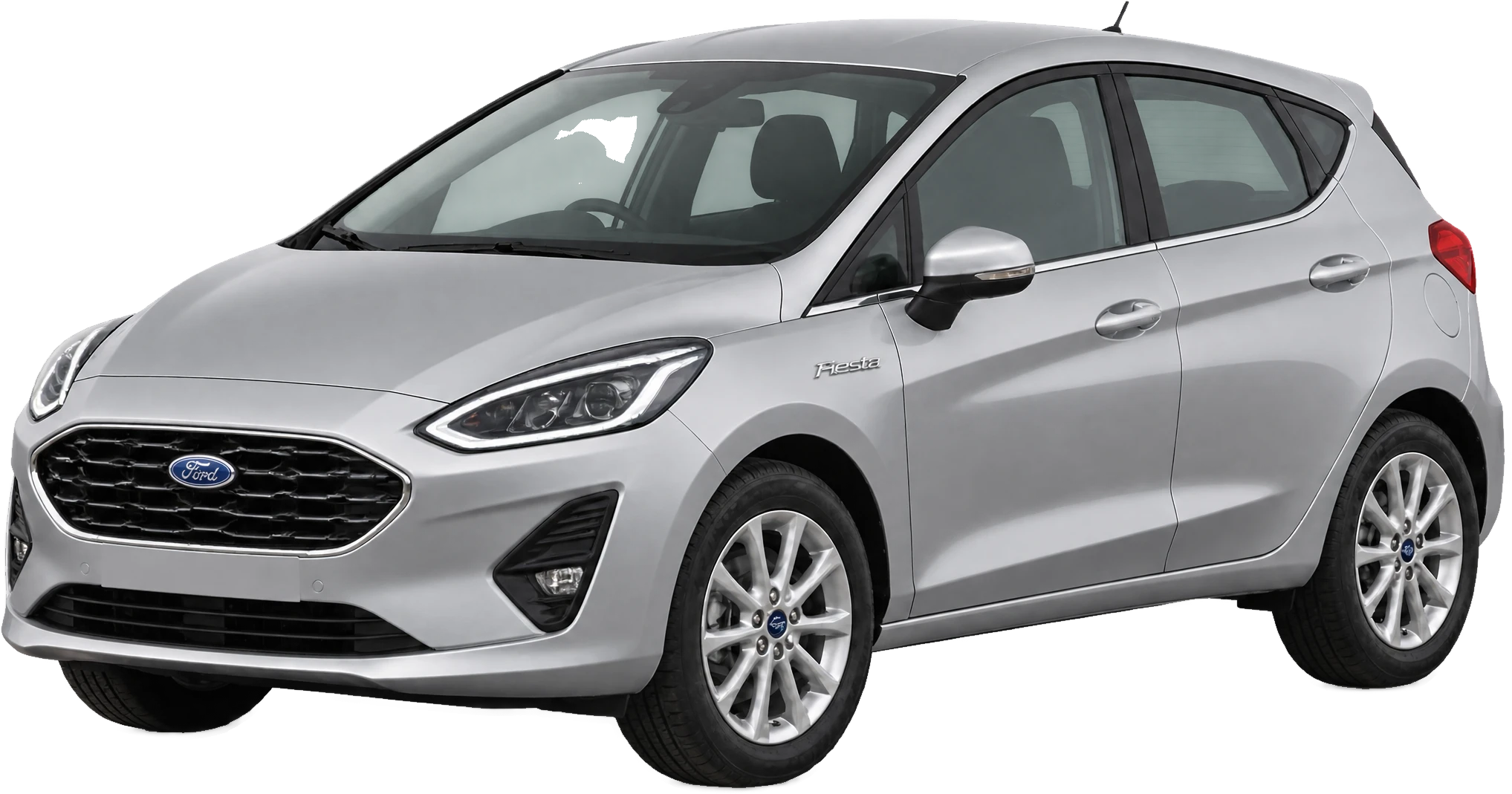
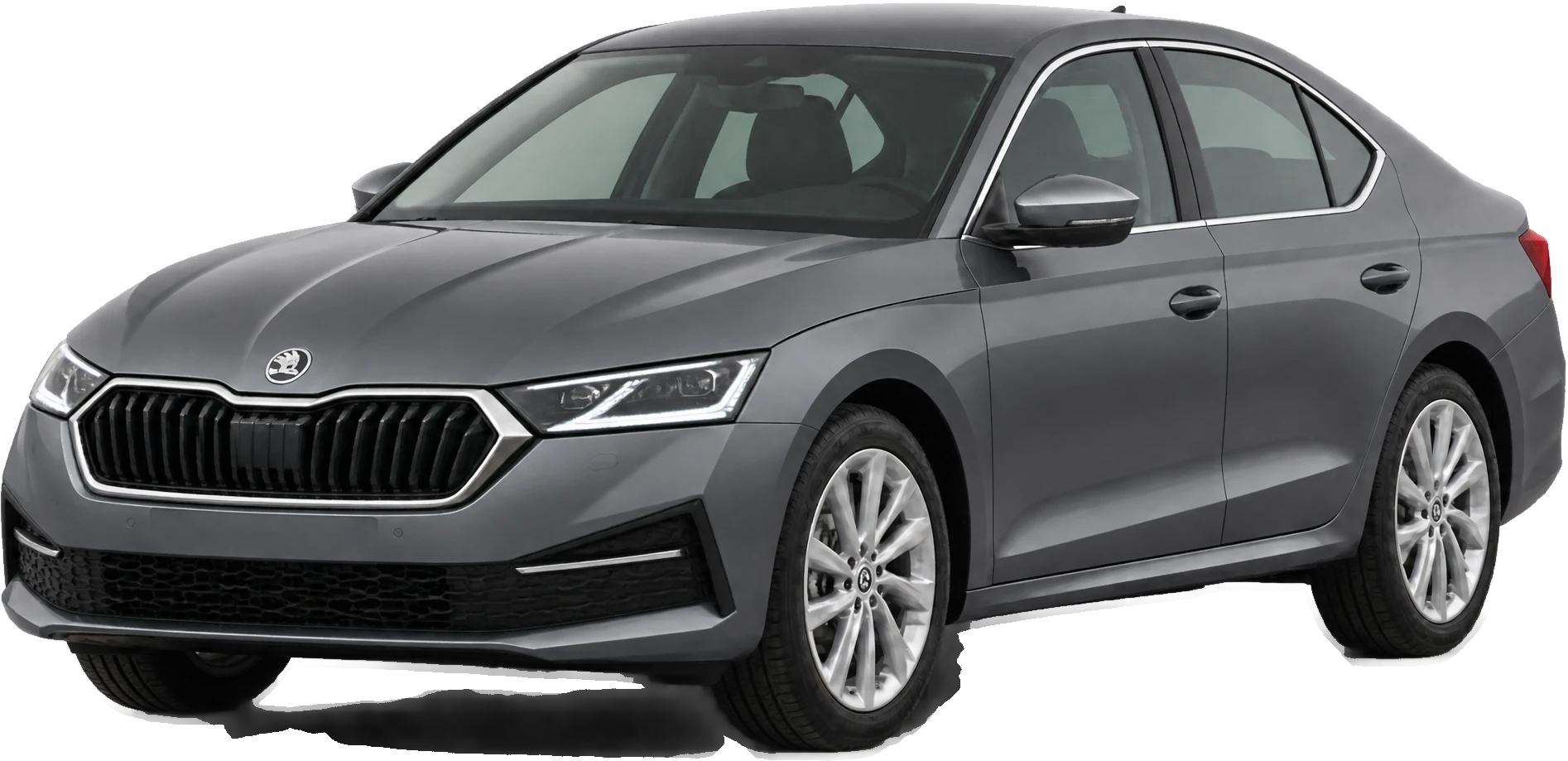
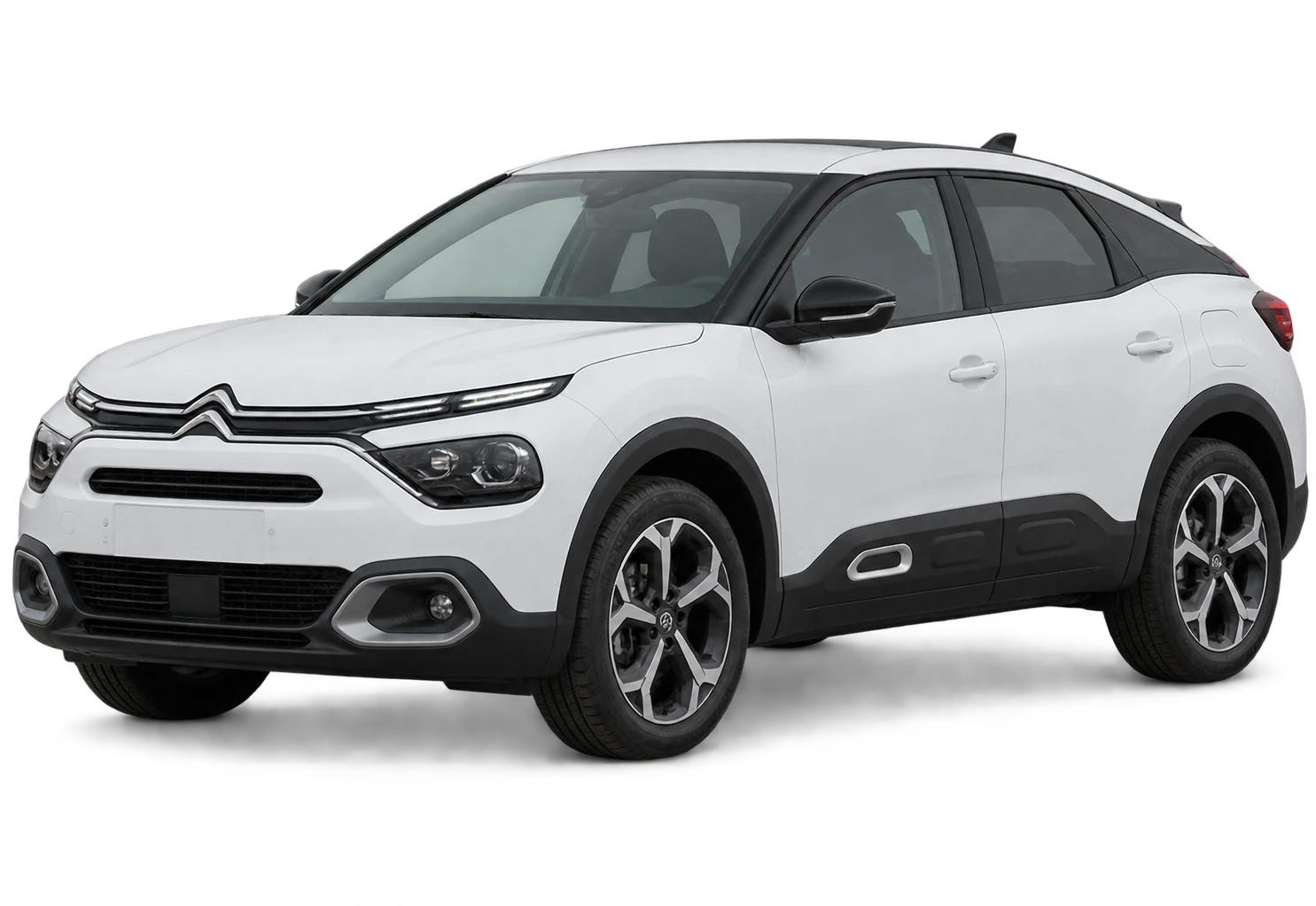
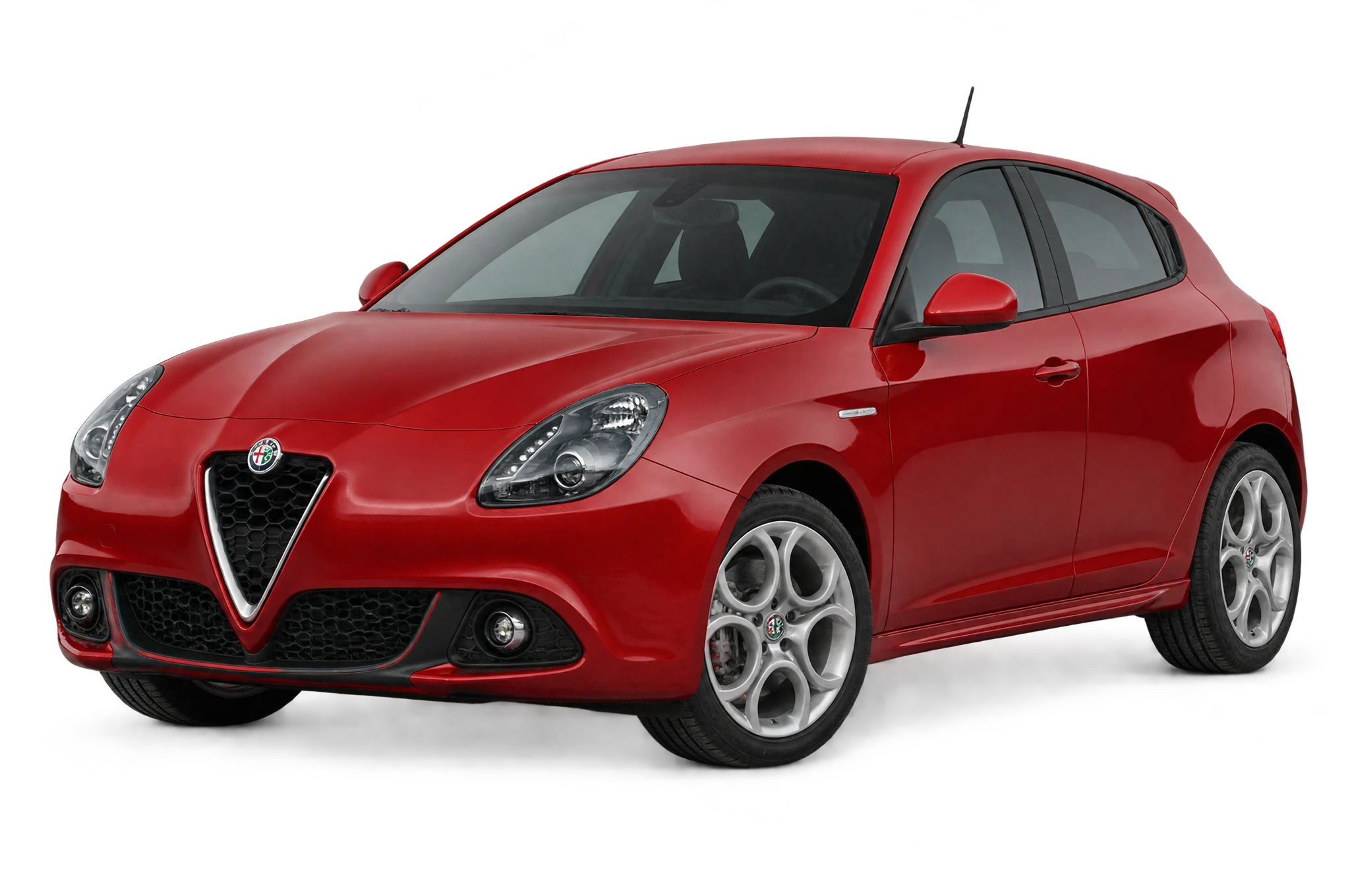
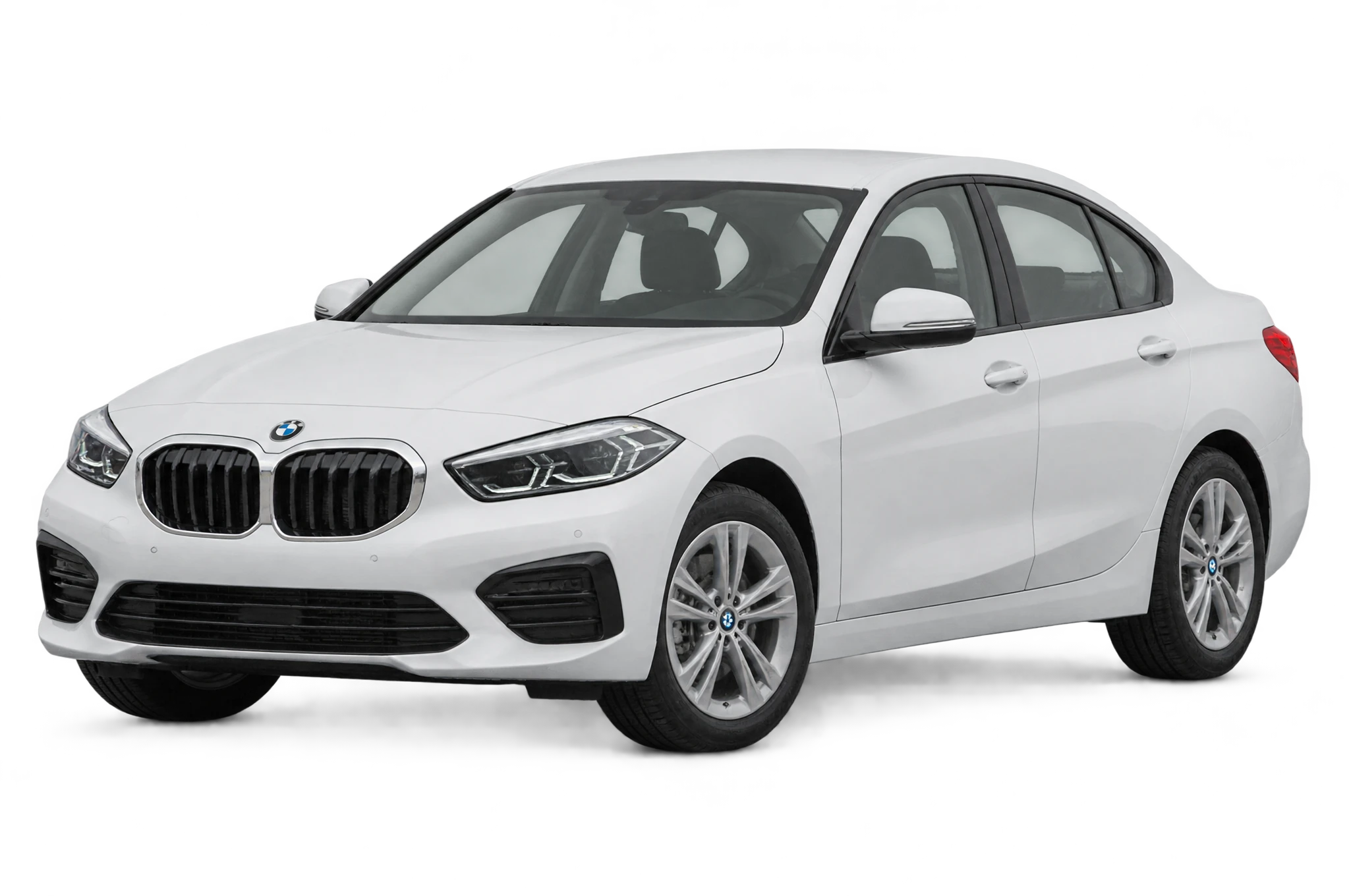
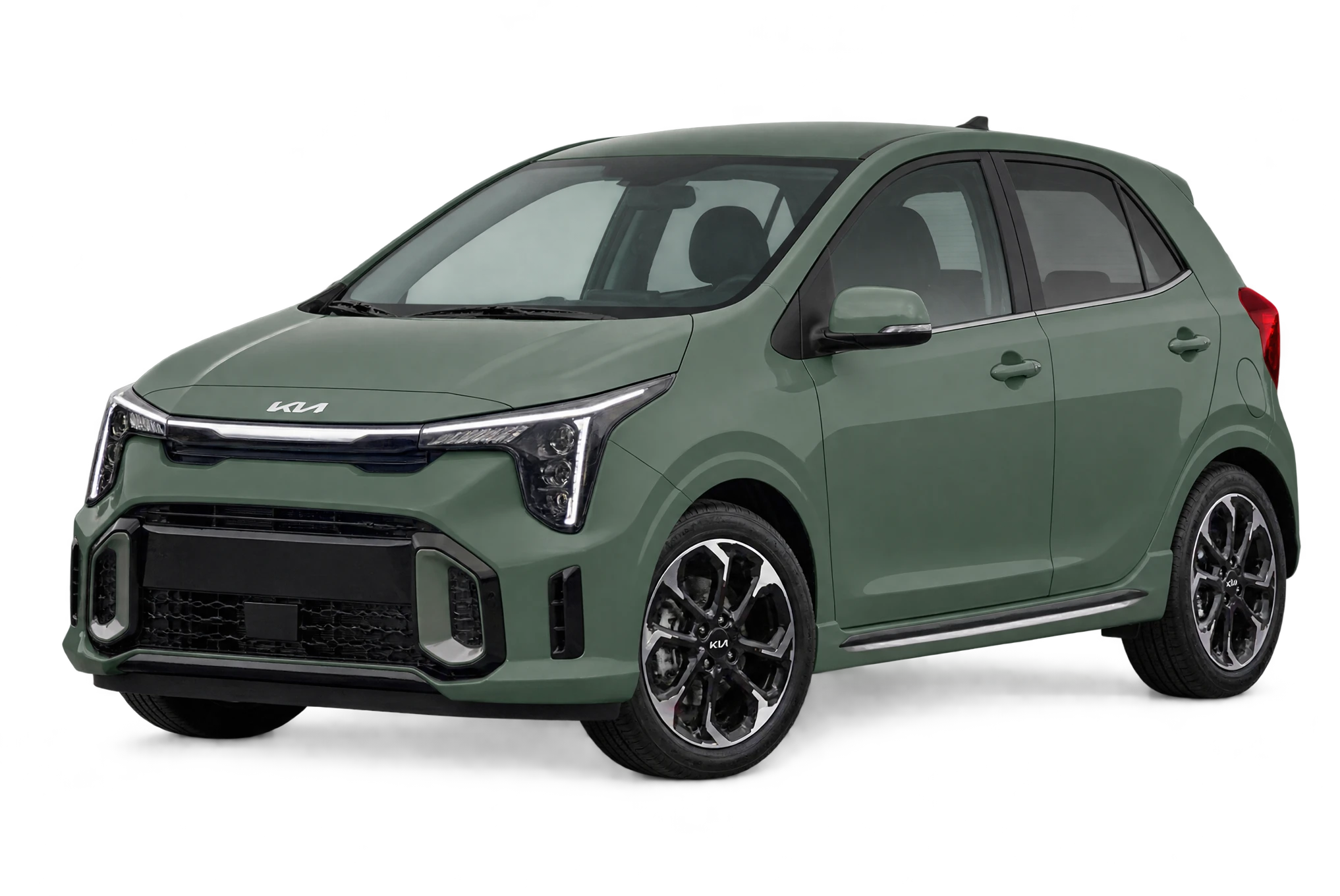
Cars like the A3
From other makes, closest in what they use.
More from Audi
Every Audi
What will a drive in your A3 cost?
Roadtrip works out the fuel or charging cost of any drive for your exact car, finds the cheapest stations on the way, and splits it between everyone in the car.


Rated 4.7 by drivers · 700,000 downloads